
Wood Burner or Gas Fire: Finding the Perfect Heating Solution for Your Suffolk Home!
- Sean Mathurin

- Apr 7
- 3 min read
Choosing the right heating system for your Suffolk home can be challenging. With rising energy costs and a growing focus on sustainability, homeowners, landlords and property developers in Ipswich and across Suffolk want heating options that are both energy efficient and cost effective. Two popular choices stand out: the traditional wood burner and the modern gas fire. This comparison will help you understand the benefits and drawbacks of each, so you can decide which suits your property best in 2026.

Understanding Wood Burners
Wood burners, also known as log burners, have been a staple in many Suffolk homes for decades. They burn logs or wood pellets to produce heat, creating a warm and inviting atmosphere.
Advantages of Wood Burners
Authentic Ambiance: The crackling sound and natural scent of burning wood add a unique charm that many homeowners love.
Renewable Fuel Source: Wood is a renewable resource, especially when sourced sustainably from local Suffolk suppliers.
Cost Effective Heating: For those with access to affordable or home-grown wood, running a log burner can be cheaper than gas or electric heating.
Independence from the Grid: Wood burners do not rely on electricity or gas supply, making them useful during power outages.
Considerations for Wood Burners
Maintenance: Regular chimney cleaning and ash removal are necessary to keep the burner safe and efficient.
Installation Costs: Installing a wood burner and chimney can be expensive, especially in homes without an existing flue.
Air Quality: Wood burning produces smoke and particulates that can affect indoor and outdoor air quality if not properly managed.
Fuel Storage: Logs need dry storage space, which might be limited in some Suffolk properties.
Exploring Gas Fires
Gas fires have become increasingly popular in Suffolk homes due to their convenience and cleaner operation. They use natural gas or LPG to provide instant heat with minimal fuss.
Advantages of Gas Fires
Energy Efficient Operation: Modern gas fires are designed to be highly efficient, converting most of the fuel into usable heat.
Ease of Use: With a simple switch or remote control, gas fires provide instant warmth without the need to manage fuel.
Cleaner Burning: Gas fires produce fewer emissions compared to wood burners, contributing to better indoor air quality.
Lower Maintenance: Gas fires require less frequent cleaning and servicing compared to log burners.
Considerations for Gas Fires
Running Costs: Gas prices can fluctuate, and in some cases, gas fires may be more expensive to run than wood burners.
Dependence on Gas Supply: Homes must have a reliable gas connection, which may not be available in all rural Suffolk areas.
Installation Requirements: Professional installation is essential for safety and compliance with local regulations.
Less Ambiance: While some models mimic the look of real flames, gas fires lack the authentic feel of burning wood.
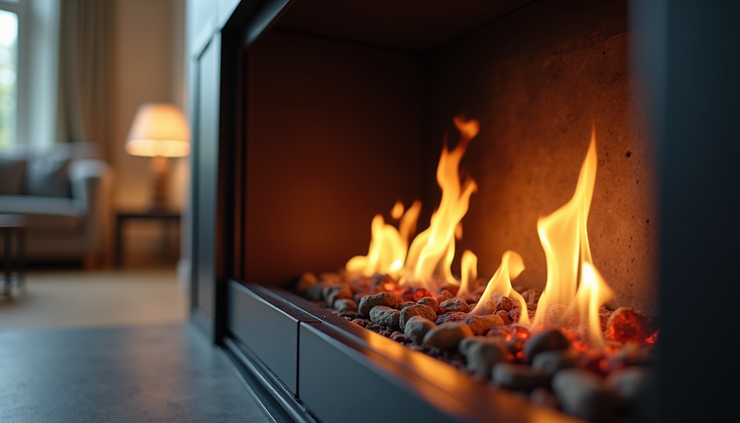
Comparing Energy Efficiency and Costs in 2026
When deciding between a wood burner and a gas fire, energy efficiency and running costs are key factors.
Wood Burners: Efficiency varies depending on the model and fuel quality but typically ranges from 70% to 85%. Using sustainably sourced wood can keep costs low, but the effort involved in fuel preparation and maintenance should be considered.
Gas Fires: Modern gas fires can achieve efficiencies of up to 90%. They offer predictable running costs based on gas prices, which can be monitored and budgeted for easily.
In Suffolk, where energy prices and environmental concerns are rising, many homeowners find gas fires a practical choice for everyday heating. However, those who value the traditional feel and have access to affordable wood may prefer log burners.
Practical Tips for Suffolk Homeowners
Check Local Regulations: Suffolk has specific rules about emissions and chimney installations. Ensure your chosen heating system complies with these.
Consider Property Type: Older homes with existing chimneys may be better suited for wood burners, while newer builds might benefit from gas fires.
Fuel Availability: Assess your access to wood or gas supply. Ipswich and surrounding areas generally have good gas infrastructure, but rural locations might rely more on wood.
Energy Efficiency Grants: Look for government schemes or local incentives in 2026 that support energy-efficient heating installations.
Final Thoughts on Choosing Your Heating Solution
Both wood burners and gas fires offer distinct advantages for Suffolk homes. Wood burners provide a traditional, cost-effective heating method with a natural ambiance, ideal for those who enjoy hands-on heating and have access to wood. Gas fires deliver convenience, high energy efficiency, and cleaner operation, making them suitable for homeowners seeking low-maintenance warmth.


Comments